
One of the easiest ways to create a page people genuinely come back to is to publish tracklists that still make sense after the live moment has passed. Social posts disappear. Stories vanish. But a solid tracklist post becomes a useful reference for listeners, DJs and promoters who want to know what actually got played.
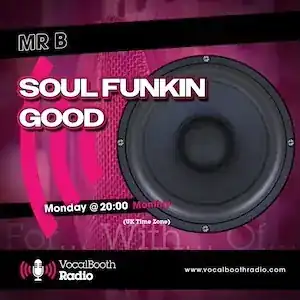
For Mr B, the anchor point for that is the monthly Soul Funkin' Good radio schedule on the homepage. Once a listener knows when the show is on, the next useful thing is a tracklist or related write-up that helps them revisit the set afterwards.
Why tracklist pages earn links
Tracklists sit in the sweet spot between editorial content and utility content. They are naturally linkable because they answer a real question: what was played? That makes them useful for radio listeners, bloggers, playlist curators and fellow DJs who want a source they can cite.
How this connects to the rest of the site
A good tracklist post should not stand alone. It works better when it connects out to the site's other strongest destinations:
- The homepage for current radio and event dates.
- The Traxsource page for current discounts and chart movement.
- The DJ booking page for promoters who discover the sound and want to enquire.
What to publish after each show
The most useful post-broadcast format is simple: show date, a short summary of the vibe, 10 to 20 standout records, and one or two links that help listeners keep exploring. That is enough to turn a broadcast into a page with lasting value.
Why this matters for backlinks
If you want stronger links, you need pages that are easier to reference than a Facebook post or a disappearing reel. Radio tracklists are perfect for that. They are specific, dated and easy to mention in follow-up articles, community groups and partner pages.
This is one of the clearest editorial opportunities on the site going forward: use the blog to capture what happened after the show, then let the Traxsource page and event schedule handle the live and current side.